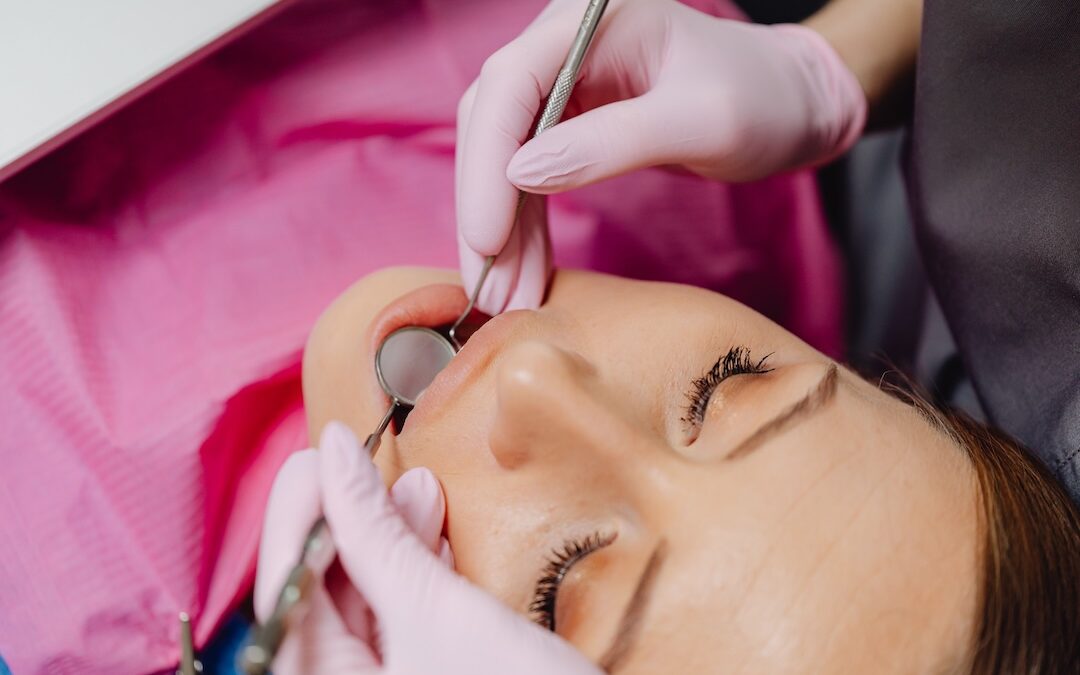
You’re sitting in the dental chair, trying to relax, hoping there’s no bad news, only to hear your dentist say the words no one wants to hear: “You have signs of gum disease. It’s time to make an appointment with a periodontist.”
You’re not alone if this sends you into an internal panic spiral. You may immediately start wondering, “What will they need to do?” “How painful will it be?” “How much will it cost?”
Fortunately, gum disease treatment isn’t what it used to be. You’re not looking at scalpels leading to weeks of misery. In fact, a newish treatment called LANAP is changing the game—and if you’re in the Hattiesburg area, you have access to one of the best in the business.
We sat down with Dr. Brian Pitfield, DDS, MS, periodontist and dental implant surgeon at Pine Belt, to answer the questions patients ask most. Settle in and grab a beverage—this one’s worth reading before your consultation.
What Is LANAP?
Q: Okay, LANAP… Let’s start with what it stands for?
BP: LANAP stands for Laser-Assisted New Attachment Procedure. It sounds like something out of a sci-fi film. But the concept is actually pretty elegant. We use a specific type of laser to target the bacteria and diseased tissue causing your gum disease, while leaving your healthy tissue completely alone.
Q: So how does the laser actually work on gum disease?
BP: Here’s the simple version: gum disease or periodontitis happens when bacteria work their way below the gumline, destroying the tissue and bone that hold your teeth in place. Traditional treatment meant cutting that tissue away surgically. LANAP, on the other hand, is a less invasive, “bladeless” technique.
LANAP uses a PerioLase MVP-7 laser—the only laser FDA-approved specifically for this procedure—to vaporize the diseased tissue and bacteria with remarkable precision.
What we love about it is that the laser also stimulates bone and tissue, helping them regenerate. In other words, we’re not just cleaning things up. We’re actually giving the body a chance to rebuild.
Q: Is this technique FDA-approved? Or is it still experimental?
BP: The technique has actually been around since 2004. It’s also the only laser gum disease treatment with FDA clearance for True Regeneration—meaning actual new bone growth. This isn’t cutting-edge in the risky sense; it’s cutting-edge in the sense that dentistry is finally catching up with the research.
Who Needs LANAP?
Q: How do I know if I have gum disease serious enough for LANAP?
BP: Gum disease exists on a spectrum. Gingivitis is the early, more reversible stage. It’s the kind your hygienist catches with a good cleaning and possibly a gentle lecture about the importance of flossing.
Periodontitis is the more advanced form of gum disease, where the infection has spread below the gumline and begun affecting the bone. That’s when LANAP enters the conversation.
The signs that bring most patients to me are things like bleeding gums, persistent bad breath, gums that look like they’re pulling away from the teeth, or teeth that feel loose. Sometimes people have no symptoms at all—which is part of why regular dental visits matter so much.
Q: What if I’ve been putting off treatment for a while?
BP: You’re in good company. I see patients all the time who’ve been avoiding this for years because they’re scared. The first thing I tell them is: we’re not here to judge. We’re here to help. The sooner we start, the better the outcome, but almost no one comes in too late.
LANAP vs. Traditional Surgery
Q: What’s the actual difference between LANAP and old-school gum surgery?
BP: Traditional osseous surgery involves cutting the gum tissue, folding it back, physically scraping away infected tissue and bone, then suturing everything closed. It works and works well. However, the recovery is uncomfortable and takes more time as you’re healing from a surgical wound.
LANAP, in contrast, skips the scalpel entirely. Because there’s no cutting or suturing, it’s far less traumatizing to the surrounding tissue.
Q: If it’s such a great procedure, why doesn’t every periodontist offer LANAP?
BP: I think it’s because LANAP requires such specialized training and certification. It’s not something you can just jump into. You need to invest your time and effort to do it well. In addition, the PerioLase laser is a significant investment. Understandably, not every practice can or wants to commit to it.
When a periodontist is LANAP-certified, it means they’ve taken the time, made the investment, and done the work to learn how to perform this protocol properly.
Recovery and Results
Q: Let’s get to one of the biggest questions—how painful is LANAP surgery? Please be honest here.
BP: I get this question at virtually every consultation, and I get it. No one wants to suffer needlessly. My honest-to-goodness answer is: most patients are truly surprised by how manageable it is.
Again, there’s no cutting involved. This means the post-procedure discomfort is significantly lower than with traditional surgery. Most of our patients take over-the-counter pain relievers for a day or two, and then they’re back to their normal routines within 24 hours.
You will, of course, want to consume a soft diet for a bit—think smoothies, yogurt, and mashed potatoes—but you won’t be sidelined.
Q: What does recovery actually look like?
BP: Don’t worry: we’re with you every step of the way. The first day or two, you may notice some tenderness and mild swelling. Your gums may look a little different as they heal and reattach. Our team provides specific post-care instructions, and you’ll have follow-up visits to track your healing.
Q: How long before I see real results?
BP: Patience pays off here. The immediate result is that the infection is addressed. But the bone regeneration—the part that makes LANAP truly unusual—happens gradually over three to 12 months. Follow-up measurements will show your periodontist whether pocket depths are shrinking and bone levels are stabilizing.
LANAP at Pine Belt
Q: What’s the first step if I think I need this?
BP: During your consultation, our team will review your dental history, take the necessary imaging, and assess the extent of your gum disease. From there, you’ll get a clear picture of your options—including whether LANAP is the right fit for you.
FAQ
How long does the procedure take? The full LANAP protocol is typically completed in two appointments, treating half the mouth at each visit. Each session runs about two hours. Compare that to the multiple appointments traditional surgery often requires, and the math starts looking pretty darn good.
Will my teeth be sensitive after LANAP? Yes, some patients do notice temporary sensitivity as their gums heal. This is normal and, luckily, it usually resolves within a few weeks. Before starting any procedure, our team will walk you through what to expect and how to manage it comfortably.
Can LANAP prevent, or at least delay, tooth loss? That is the goal. By eliminating the infection and stimulating bone regeneration, LANAP addresses the root cause of tooth loss from gum disease. Many patients who were facing potential extractions have been able to keep their natural teeth long-term.
Is LANAP safe if I have other health conditions—like diabetes or heart disease? LANAP is actually considered an excellent option for patients with systemic health conditions. Because it’s minimally invasive and significantly reduces oral bacteria, it can be safer than traditional surgery for people who need a gentler approach. Dr. Pitfield will review your full health history to make sure treatment is tailored to your needs.
Is LANAP covered by insurance? Many periodontal insurance plans provide some coverage for LANAP, since it treats a documented medical condition. Coverage varies widely by plan, so the Pine Belt team will work with you to understand your benefits before treatment begins.
LANAP Laser Gum Treatment, Hattiesburg, Mississippi
Gum disease is incredibly common. Fortunately, it’s also incredibly treatable. If you’ve been putting off that referral because you’re dreading the procedure, LANAP might just be the reason to finally pick up the phone.
“My favorite part of this job,” adds Dr. Pitfield, “is when a patient comes back after treatment and tells me they wish they hadn’t waited so long. That’s the goal—get you healthy, get you comfortable, and get you back to your life.”
If you’re in the Hattiesburg area and ready to find out whether LANAP laser gum treatment is right for you, Dr. Pitfield and the Pine Belt team are here to help. Schedule your consultation today. Your gums (and your future self) will thank you.